
Key Takeaways
- Automated pSEO creates unique landing pages for every neighborhood in your service area to capture local search intent.
- Territory polygon mapping ensures your marketing spend aligns with where your crews actually work to protect profit margins.
- Integrating these tools with your CRM eliminates manual data entry and reduces the lead-to-booking lag time.
- Local businesses can achieve a higher ROI by owning their organic search presence instead of paying monthly agency retainers.
Moving Beyond the $3,000 Monthly Retainer
Many HVAC and plumbing owners in the Austin area have spent years paying agencies thousands of dollars a month for generic SEO services. Often, these agencies provide reports filled with vanity metrics that do not translate to more trucks on the road. The shift toward automated programmatic SEO (pSEO) allows a business to build a massive footprint of local pages without the manual labor costs associated with traditional content marketing.
By using an API to connect your service data with your website, you can generate hundreds of pages targeting specific neighborhoods like Tarrytown or Circle C Ranch. This isn't about spam; it is about providing a relevant destination for a homeowner searching for a specific trade in their exact zip code. When these pages are mapped to your actual service boundaries, you stop wasting effort on leads that are outside your drive-time radius.
The Role of Territory Polygon Mapping
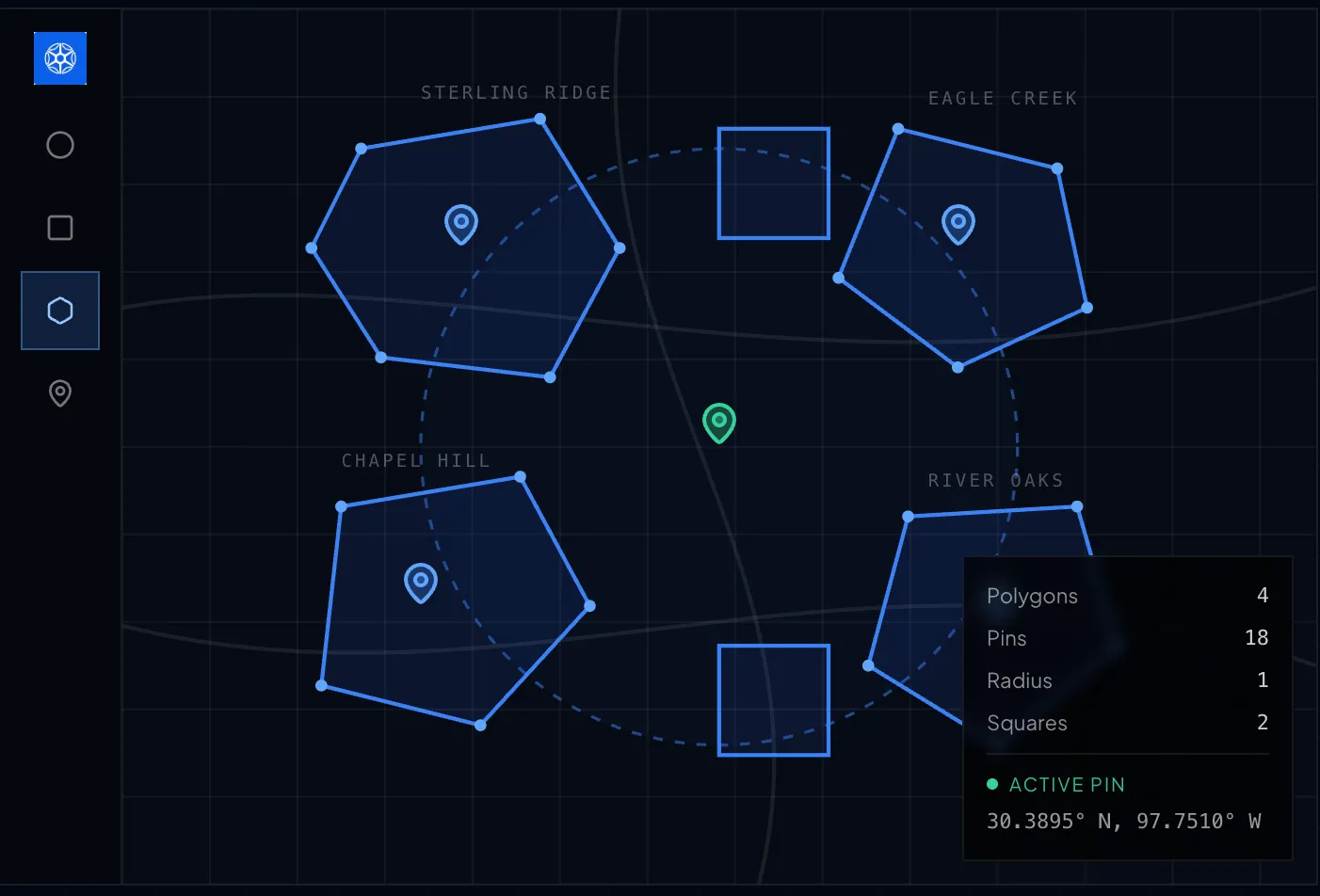
Territory mapping is more than just a drawing on a map. In a high-growth market like the corridor including Lakeway and Bee Cave, knowing exactly where your technicians are most efficient is vital for maintaining a healthy ROI. By using polygon mapping, you can tell your website and your CRM exactly which areas are active.
When a lead comes in from a pSEO page, the system checks the polygon. If the lead is within your profitable zone, the CRM can automate the follow-up immediately. This level of automation reduces the chaos for dispatchers and ensures that your best leads are prioritized. It replaces the need for a marketing manager to manually adjust ad spend or landing pages every time you change your service area.
Why CRM Integration Matters
Marketing automation only works if the data is clean. When your local landing pages are built with a direct connection to your CRM, every click and form fill carries intent data with it. You can see which neighborhoods produce the highest ticket values and which ones have the best show-rates. This feedback loop allows you to refine your SEO and AEO strategies based on actual revenue, not just website traffic.
FieldBrain focuses on these outcomes because a cleaner CRM leads to better crew efficiency. When the software handles the heavy lifting of lead generation and sorting, owners can get their nights back instead of auditing agency reports that don't make sense.